
Cairo 2050, Desert Fantasia
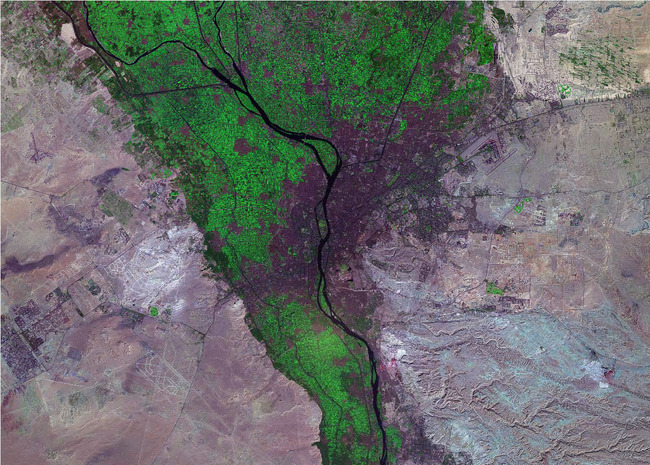
This past August in Heliopolis, the Cairo suburb built over desert by a Belgian industrialist in 1905, I sat in an architect’s office, a place called Cube Architectural Consultants, and heard a glowing, impromptu presentation on “Cairo 2050.” Cairo 2050 is a series of outlandish master plans and megaprojects for Egypt’s capital that the regime of Hosni Mubarak began promoting in 2008, with the help of the United Nations and the Japanese government. Its future, an earnest architect informed me gently, was “uncertain in the new Egypt.”
Imagine Dubai in the Nile Valley, if instead of building it on empty sand, futurist skyscrapers and business parks rose over what are now the packed, informal neighborhoods that today house the majority of Cairo’s estimated 17 million people. This authoritarian, outsized development “vision” would involve relocating millions to the furthest edges of the desert — areas banally termed “new housing extensions” — to make way for “10 star” hotels, huge parks, “residential touristic compounds,” and landing-strip-sized boulevards lined with a monotony of towers. It’s unlikely to happen in an Egypt after Mubarak — if it was ever possible at all, given budgets and popular resistance. Still, Cairo 2050 offers a glimpse at the Egyptian government’s approach to urban planning and policy. As David Sims, an economist and consultant who has worked in Cairo since 1974, writes in Understanding Cairo: The Logic of a City Out of Control, the Cairo 2050 project represents “a continued penchant for the manufacture of unrealistic dreams” on the part of “government planners and their consultants.”
Great review of a great book.